Reviews





Every technician is IICRC certified and has handled wall and drywall water damage many times. You get a clear plan before any work starts.
Call now and a real person picks up. We ask a few questions and send a crew, so the water stops spreading sooner.
We photograph the damage, log moisture readings and send the paperwork your adjuster asks for, so you have less to chase.
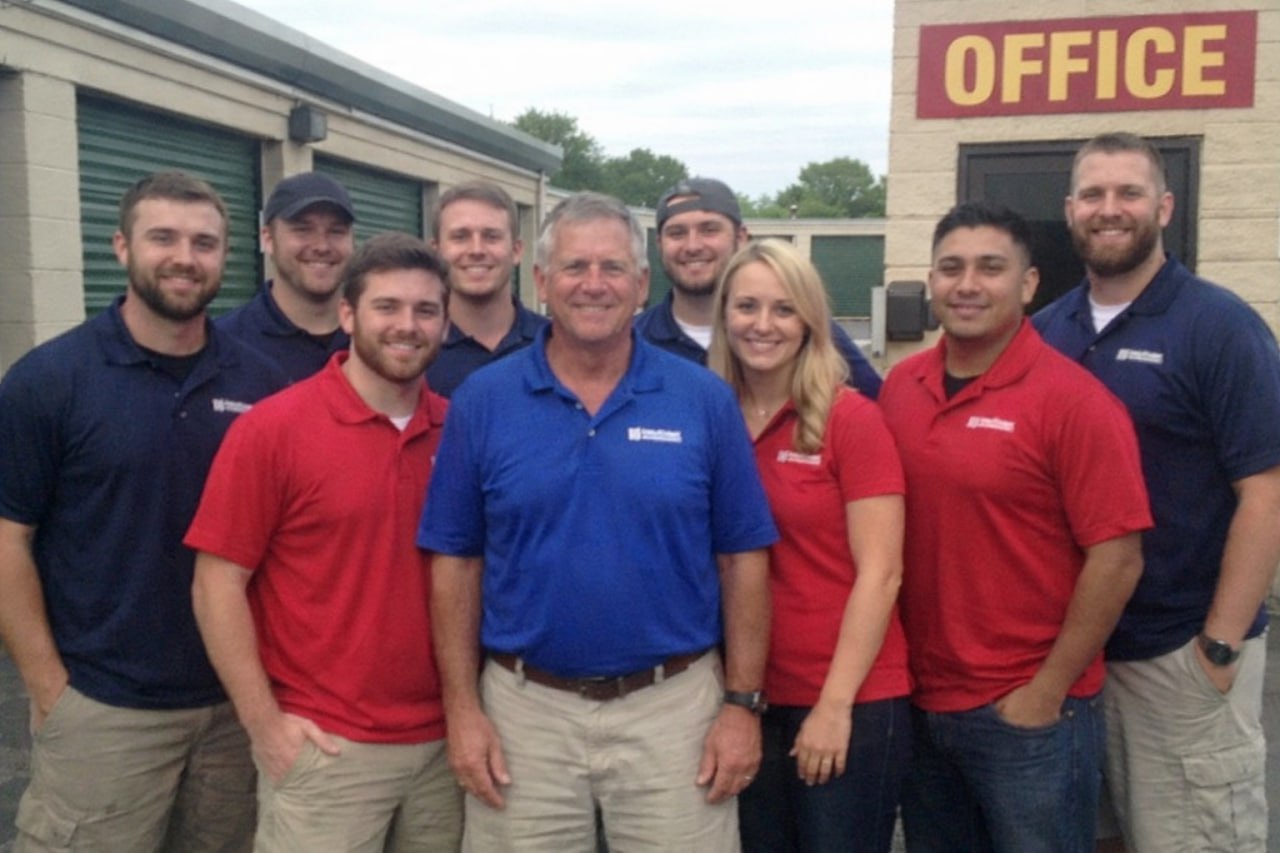
When you call about wall and drywall water damage, you reach a restoration team that works in Huntsville every day. We tell you what it will take, give you a clear quote and get a crew moving.
Think of drywall as a wick. When water reaches the bottom of a wall, the gypsum and paper draw it upward, often a foot or more above the level the water ever reached on the floor. Insulation and the rear of the panel can be wet through while the paint out front shows nothing unusual. Looks cannot be trusted here, so every wall gets tested with a meter.
A wet wall does not automatically mean demolition. Drywall that got wet with clean water and is still firm can often be dried in place, sometimes by removing the baseboard and moving air through small holes into the cavity. If the drywall has gone soft, crumbles, shows mold or took in dirty water, we do a flood cut, meaning a level cut over the damaged area with all material beneath it removed.
Water pools at the same height as most receptacles and cable runs. Do not use outlets on a wet wall until the circuit has been checked.
Mold thrives on the rear face of drywall because it is paper covered, dark and has no moving air. That side may be coated in growth even as the room side appears spotless.
The neighboring room or closet gets wet as water travels below the wall plate. Our team inspects each wet wall from both sides, plus the floor running beside it.
Batts of fiberglass absorb water and keep it pressed to the framing. A wall with wet insulation will not dry from the room side alone.
We scan each wall with a moisture meter and thermal camera and mark how high and how far the water traveled, including the opposite side and adjoining rooms.
Based on the water category, how long it sat and how the drywall feels, we tell you plainly which sections can be dried in place and which need to come out.
Where the drywall stays, the trim is pulled and airflow is sent inside the wall. Walls that cannot be kept get a flood cut along a level line, with the wet insulation pulled.
Air movers and dehumidifiers run until studs and remaining drywall read dry, typically 3 to 5 days. The rebuild follows with fresh insulation, drywall installation and finishing, trim and a coat of paint.
We save what can be dried properly and remove only what cannot. Moisture readings make that call, not guesswork.
Ask a Tech: (972) 666-5836| Material | Can usually be saved when | Has to be replaced when |
|---|---|---|
| Drywall | Clean water, caught early, still hard and flat | Anything mushy, puffed up, moldy or touched by gray or black water |
| Wall insulation | Foam with closed cells, since moisture cannot soak into it | Fiberglass and cellulose that got wet, because they slump and hold moisture |
| Wall studs | Sound lumber, which dries well once the cavity is open | Just sections harmed by rot or severe mold |
| Baseboards and trim | Solid wood trim that dries flat without splitting | Swollen MDF and trim with edges that are flaking apart |
| Plaster walls | Sections still solid and attached when the moisture is gone | Plaster that crumbles to powder or has come loose from its backing |
Moisture enters where the panel meets the floor and wicks upward from there. Baseboards and the bottom plate take on moisture.
The wet line rises higher, baseboards swell and paint begins to blister. Growth is able to get going on the paper that lines the hidden side.
The gypsum core turns soft and its paper starts to separate. A musty odor grows stronger while the batts settle and mold covers more of the unseen face.
By this point the studs and plates have been damp long enough for mold and early rot. The amount of removal and reconstruction grows considerably.
Not seeing your question? Call and ask. It costs nothing to talk it through.
Call (972) 666-5836Don't wait for small problems to become expensive emergencies. Call Huntsville Restoration for fast, reliable service.
Call (972) 666-5836 Now